Part of The Spring Break Edit at The Conscious Mom Edit.
There’s a very specific moment most parents recognize.
It’s bedtime. Pajamas are on. The house is finally quiet. And then you notice it.
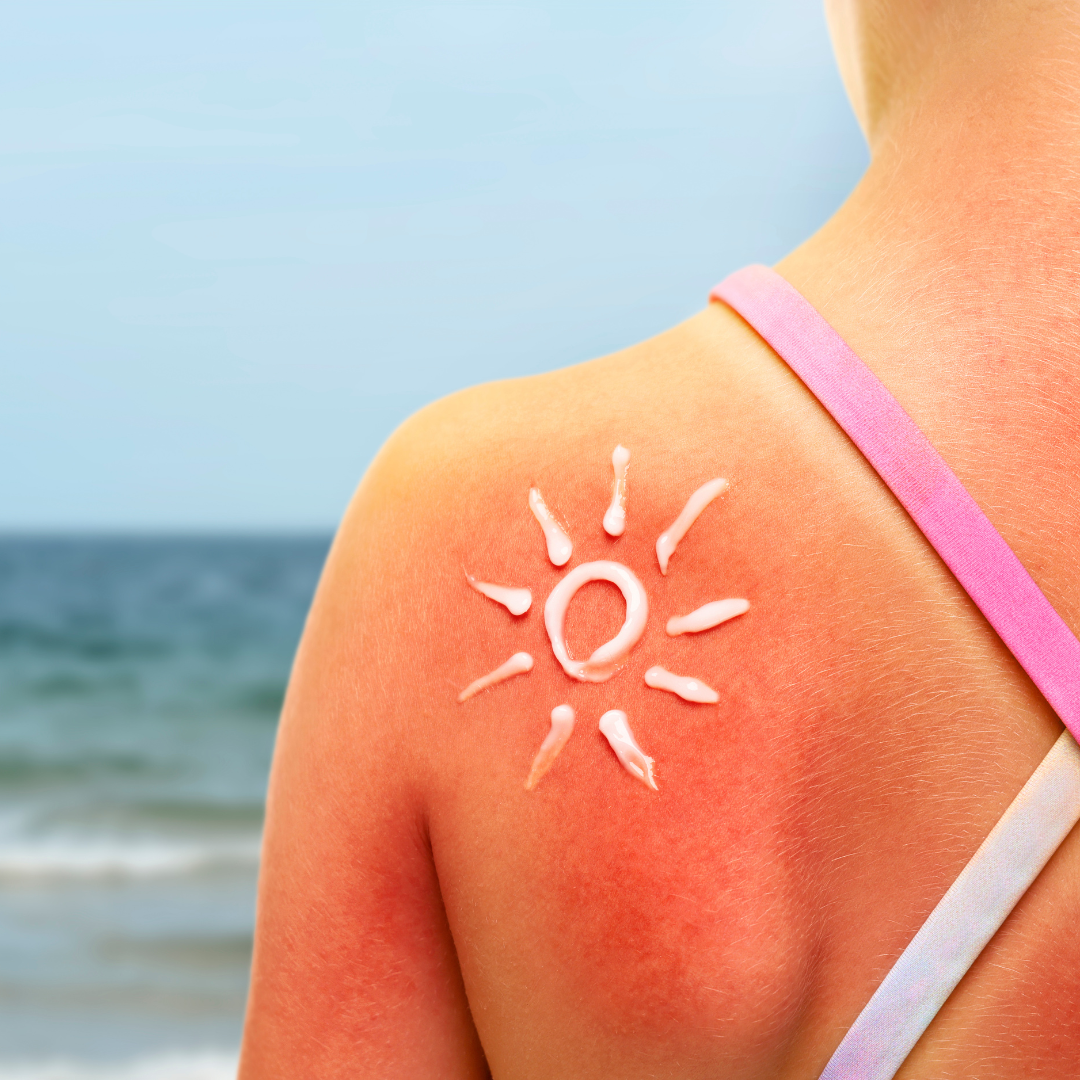
A little pink across the shoulders.
A warmer-than-usual nose.
A faint swimsuit line you definitely didn’t see earlier.
And suddenly you’re replaying the afternoon.
Did I reapply?
Was it two hours already?
How long were we actually at the pool?
If this has happened to you, you’re in very good company.
Even the most sunscreen-committed parents miss a reapplication window now and then — especially during those first big sunny days of the season.
The good news? Most mild sunburns can be managed calmly at home with simple steps and a few smart products.
If you’re building your prevention system too, start with our reef-safe sunscreen guides for kids and moms inside The Spring Break Edit.
Note: This post may contain affiliate links. As an Amazon Associate, I earn from qualifying purchases.
Quick Picks: Sunburn Relief

Organic Aloe Vera
Seven Minerals Organic Aloe Gel

Organic Coconut Sunburn Relief
Badger Coconut AfterSun Balm

Relief for Sensitive Skin
Babo Botanicals Diaper Cream

Electrolyte Packets
LMNT Raw Zero Sugar Packets
Now let’s walk through what to actually do.
What I Pack in Our Sun Care Kit
I don’t pack for panic. I pack for peace of mind.
Our simple sun care kit includes:
- Reef-safe sunscreen
- Pure aloe vera gel
- After-sun balm
- Zinc oxide cream
- Electrolyte packets
Most trips? We don’t need the full kit.
But when we do, I’m grateful it’s there.
Step 1: Cool the Skin Gently
First things first: get out of the sun.
Then:
- Apply a cool (not ice-cold) damp washcloth
- Avoid direct ice on skin
- Offer water immediately
- Keep the room comfortably cool
Sunburned skin is inflamed and dehydrated. Cooling helps reduce discomfort before you add anything topical.
This is not the moment for thick creams.
Let the heat settle first.
Step 2: Apply Simple Aloe
Once skin feels cooler to the touch, apply a generous layer of alcohol-free aloe vera gel.
Look for:
- 99% aloe
- No added fragrance
- No alcohol
- Minimal ingredient list
Aloe provides soothing hydration without trapping heat.
If it stings significantly, pause and cool again first.
Step 3: Add Moisture (After Skin Is No Longer Hot)
After the skin has cooled fully — usually later that evening — you can layer a richer after-sun balm.
Badger After Sun Balm (Coconut + Aloe)
This is the balm-style option I recommend if you prefer simple, recognizable ingredients.
Why it works well:
- Aloe + coconut oil base
- Minimal ingredient list
- Travel-friendly tin
- Feels protective without being overwhelming
I apply aloe first, let it absorb, and then layer this once the skin is no longer radiating heat.
It helps reduce tightness as skin begins to recover.
(Important: avoid applying thick balms on skin that is still hot — that can trap warmth.)
Step 4: Protect Irritated Areas
If clothing is rubbing against sensitive skin, a thin layer of zinc oxide cream can help act as a gentle barrier.
Zinc doesn’t “heal” sunburn — but it can:
- Reduce friction
- Protect irritated areas
- Provide light coverage
Choose a simple, fragrance-free formula with low concentration.
Loose cotton clothing helps too.
Step 5: Increase Internal Hydration
Sun exposure dehydrates from the inside out.
Encourage:
- Extra water
- Electrolytes (especially after long beach days)
- Light, hydrating foods
This step is often overlooked — but it makes a difference.
What I Avoid
When skin is sunburned, less is more.
I avoid:
- Alcohol-based products
- Heavy petroleum ointments on hot skin
- Essential oil-heavy “natural” blends
- Exfoliating scrubs
- Peeling flaking skin manually
Let the skin recover gently.
When to Call a Doctor
This guide covers mild sunburn only.
Seek medical care if your child has:
- Large areas of blistering
- Fever
- Severe pain
- Signs of dehydration
- Lethargy
Trust your instincts.
What I Personally Do
On a trip to Mexico, after what felt like a perfectly sunscreen-managed day, I noticed faint pink on my son’s shoulders at bedtime.
Not severe. But noticeable.
We cooled with a damp cloth, applied aloe, increased fluids, and skipped direct sun the next morning.
It resolved quickly.
And it reminded me that preparation matters as much as prevention.
Now I pack after-sun right alongside sunscreen — not because I expect failure, but because I prefer calm solutions over scrambling.
Frequently Asked Questions
Can I apply aloe immediately?
Yes — once skin is cooled. Choose alcohol-free formulas.
Does zinc help sunburn heal?
Zinc provides a protective barrier over irritated skin but does not cure sunburn. It may reduce friction and discomfort.
Should I peel flaking skin?
No. Let it shed naturally.
How long does mild sunburn last?
Typically 3–5 days depending on severity and hydration.
Should we avoid sun completely afterward?
Yes. Keep skin covered and out of direct sun until healed.
Final Thoughts
Sunburn happens.
Even to careful parents. Even to sunscreen re-appliers. Even to moms who absolutely know better.
The goal isn’t perfection.
It’s calm response.
Cool the skin. Hydrate. Protect. Rest.
And when you’re ready to prevent it next time, start with our full guide to reef-safe sunscreen for kids and moms inside The Spring Break Edit.
Join The Conscious Mom Edit
If you’re working toward a more sustainable and low-tox home, I share practical product guides and family systems every week.
Join the newsletter for:
• non-toxic kitchen swaps
• practical family product guides
• simple sustainability ideas for busy homes
Subscribe below.
Leave a Reply