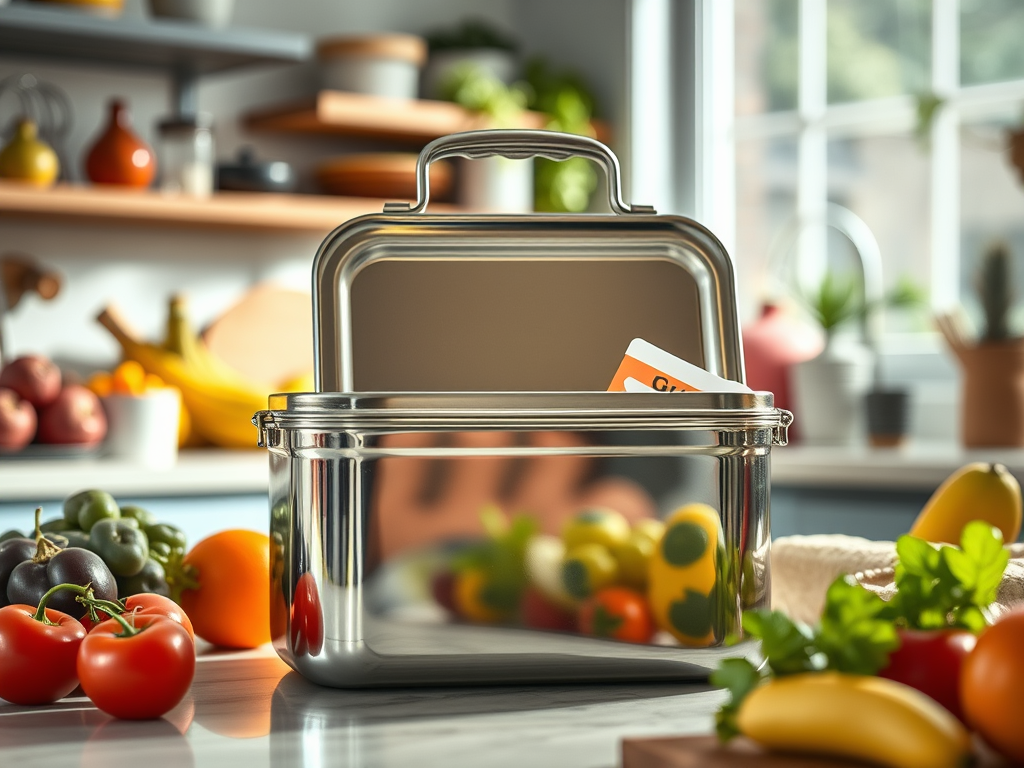
Part of The Lunch Edit series at The Conscious Mom Edit.
IIf you’ve ever paused while packing lunch and wondered, “Is this actually safe?” — you’re not alone.
Many parents researching stainless steel lunch boxes for kids are really asking a bigger question:
What materials come into contact with my child’s food every single day?
As conversations around BPA, PFAS, and microplastics become more common, stainless steel is often described as a safer alternative to plastic. But what does that actually mean — and are stainless steel lunch boxes truly safe for kids?
As a former classroom teacher and mom of two, I approach these questions the same way I approached curriculum planning: calmly, thoroughly, and without fear-based messaging.
Here’s what actually matters when evaluating whether stainless steel lunch boxes are safe for kids.
What Are Parents Concerned About?
MosWhen parents search “are stainless steel lunch boxes safe?” they’re usually thinking about:
- Chemical leaching
- Heavy metals
- Rust or corrosion
- Long-term durability
- Whether stainless steel is safer than BPA-free plastic
Understanding those concerns helps clarify the real conversation. Most families aren’t looking for perfection. They’re looking for stability and transparency.
What Makes Stainless Steel Considered “Food Safe”?
Most high-quality stainless steel lunch boxes are made from 304 stainless steel, also called 18/8 stainless steel.
This grade of stainless steel:
- Contains 18% chromium and 8% nickel
- Resists corrosion
- Does not react with most foods
- Does not leach chemicals under normal use
Because of these properties, 304 stainless steel is widely used in cookware, food prep surfaces, and commercial kitchen equipment.
That’s why many parents consider stainless steel lunch boxes one of the safest lunch container materials available.
Does Stainless Steel Leach Chemicals?
Under normal use, stainless steel does not leach chemicals into food.
Unlike some plastics, stainless steel does not contain BPA, phthalates, or PFAS additives. It also does not absorb flavors or degrade when exposed to acidic foods like tomatoes or citrus.
That said, not all stainless steel products are created equally. When choosing a stainless steel lunch box for kids, look for:
- Clear labeling of 304 or 18/8 stainless steel
- Established brands with transparent material disclosures
- Food-grade silicone seals (if included)
Material transparency matters more than marketing language.
What About Nickel Sensitivity?
Some parents worry about nickel, since 18/8 stainless steel contains small amounts.
Nickel reactions are typically related to prolonged skin contact — like jewelry — not food storage. For most children, stainless steel lunch containers pose no issue.
If a child has a known severe nickel allergy, consult a pediatrician before switching materials.
For the majority of families, stainless steel lunch boxes remain a stable and well-tolerated option.
Are Stainless Steel Lunch Boxes Better Than Plastic?
This is where nuance matters.
Stainless steel is often chosen because it:
- Is durable and long-lasting
- Does not stain or retain odors
- Does not contain common plastic additives
- Holds up to repeated washing
Plastic lunch boxes, even BPA-free ones, may scratch or degrade over time. That doesn’t automatically make them unsafe — but it can affect longevity and wear.
If you’d like a full material breakdown, I’ve compared stainless steel vs plastic lunch boxes for kids in detail here.
Are Stainless Steel Lunch Boxes Leakproof?
Most stainless steel lunch boxes are designed primarily for solid foods.
Some include silicone seals for improved leak resistance, but they may not be ideal for very liquid-heavy foods like yogurt or soups.
If leakproof performance is your top priority, I’ve reviewed several leakproof stainless steel lunch box options in my full guide to the best stainless steel lunch containers for kids.
So, Are Stainless Steel Lunch Boxes Safe?
For most families, yes.
High-quality stainless steel lunch boxes made from 304 (18/8) stainless steel are considered one of the safest and most durable food storage materials available for children.
They aren’t necessarily perfect for every situation — especially if full liquid containment is essential — but they offer long-term material stability and simplicity.
The goal isn’t fear.
It’s clarity.
And for many families, stainless steel lunch boxes provide that.
Want to Compare the Best Options?
If you’re leaning toward stainless steel and want to avoid low-grade materials, I’ve reviewed the highest-rated 304 stainless steel lunch boxes here.
Because sometimes what matters most isn’t hype — it’s understanding what you’re bringing into your home.
Frequently Asked Questions
Are stainless steel lunch boxes toxic?
No. High-quality 304 stainless steel lunch boxes are considered food-safe and do not leach chemicals under normal use.
Do stainless steel lunch boxes contain lead?
Reputable stainless steel lunch boxes made from 304 stainless steel do not contain lead in food-contact surfaces.
Can stainless steel rust?
304 stainless steel resists rust, but prolonged exposure to moisture without drying may cause surface spotting. Proper care prevents this.
Join The Conscious Mom Edit
If you’re working toward a more sustainable and low-tox home, I share practical product guides and family systems every week.
Join the newsletter for:
• non-toxic kitchen swaps
• practical family product guides
• simple sustainability ideas for busy homes
Subscribe below.
Related Reads:
- Best Stainless Steel Lunch Containers for Kids (2026 Guide)
- Best Kids Lunch Bags That Actually Hold Up (Insulated and Durable)
- How to Make Stainless Lunch Boxes Leakproof (Without Switching Materials)
- How to Choose a Lunch Box for Kids: What Actually Matters (2026 Guide)
- Best Stainless Thermos for School Lunch (Leakproof & Kid-Approved)
- Best Leakproof Snack Containers for Kids (Reusable & Low-Plastic Options)
- Best Water Bottles for Kids (Leakproof & School-Ready)
- Stainless Steel vs Plastic Lunch Boxes: What Actually Matters for Kids?
Leave a Reply